In short: After a Parkinson’s diagnosis, give yourself permission to feel it, get your questions written down for your neurologist and Parkinson’s nurse, protect your energy, tell the people who matter in your own time, and find support that understands the condition. You do not have to decide the rest of your life this month.
Most people I coach with Parkinson’s describe the same moment: the consultant says the word, and everything after it becomes a blur. If that’s you, the first thing to know is that the blur is normal. You have not failed at coping. You’re absorbing a life-changing sentence, and that takes far longer than one appointment.
In the first few weeks, aim for three small things rather than a plan for the next twenty years. Write down every question as it arrives — about medication, symptoms, work, driving, exercise — and take the list to your neurologist or Parkinson’s nurse. Ask who your point of contact is between appointments. And find one trustworthy source of information (Parkinson’s UK is excellent) rather than falling down the internet at 2am.
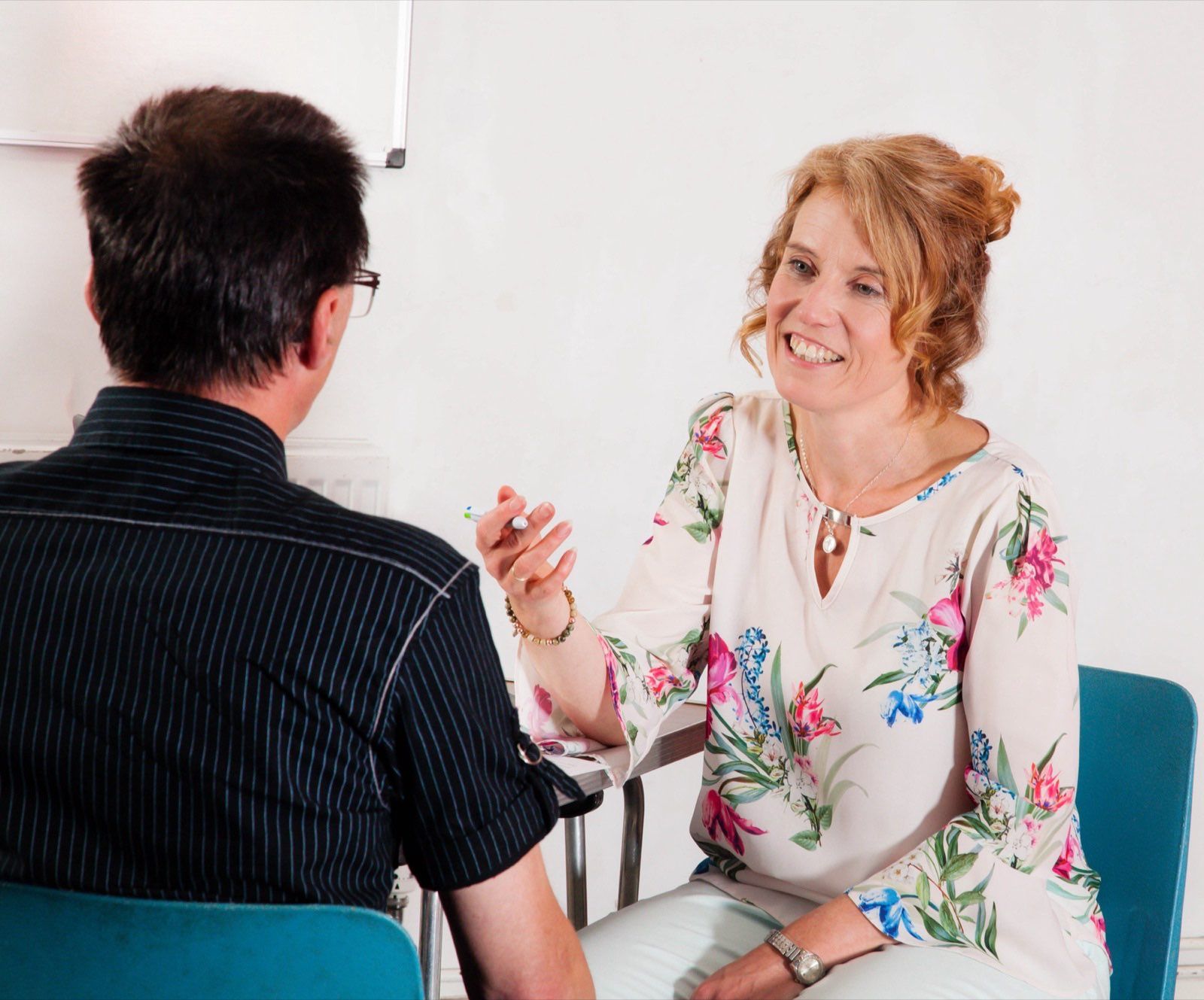
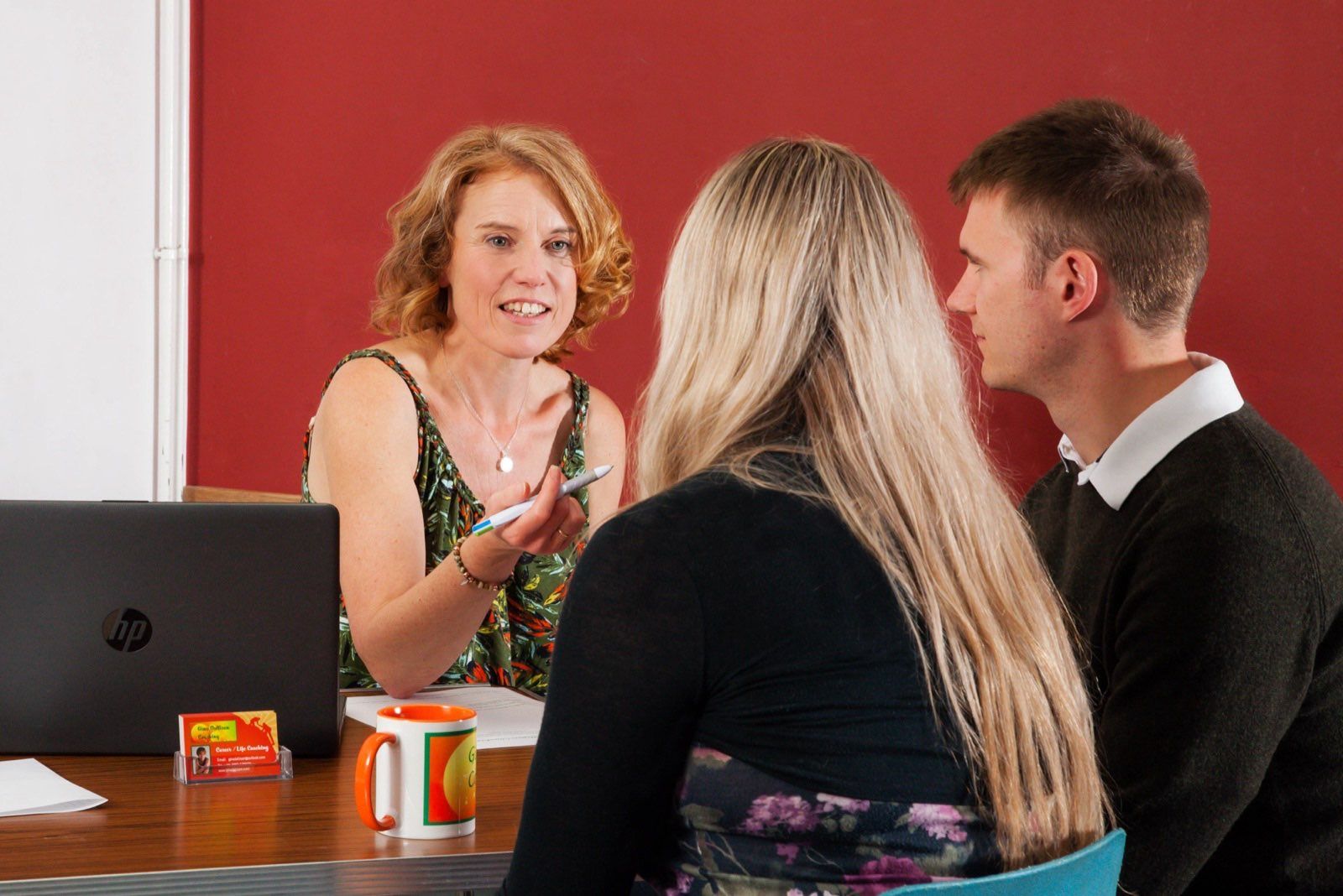
Then, the emotional side, which is where coaching comes in. Fear, grief, anger and a strange numbness can all arrive at once, sometimes in the same hour. Naming what you feel — out loud, to someone who won’t try to fix it — is often the thing that lets it soften. Many people find it easier to do that with a coach or a group than with a partner who is frightened too.
Protect your energy fiercely. Parkinson’s fatigue is real, and the early months are exhausting simply because of the mental load. Cancel one thing this week that doesn’t matter. Move your body gently every day — exercise has one of the strongest evidence bases in Parkinson’s — but on your terms, not as another thing to fail at.
Tell people in your own time. There’s no rule that says family, friends or your employer need to know today. When you’re ready, decide what you want them to know, what you want from them, and what you don’t. A short script helps: “I’ve been diagnosed with Parkinson’s. It’s early, I’m okay, and what I need right now is…”
And finally: your story is not written yet. I live with MS, and I was told there was nothing I could do. What I discovered is that while I couldn’t choose my diagnosis, I could choose what I did with it — and my life is bigger now, not smaller. If you’d like a steady, hopeful place to work out your own next steps, a free discovery call is a gentle place to start.
Walk this path with support
If any of this resonates, a free, no-pressure discovery call is a gentle first step.
Book a free call