In short: Transformational coaching is a whole-person approach that works on beliefs, identity and perspective rather than only goals and tasks. It suits people at a turning point — such as a diagnosis or a crossroads — who want lasting change rather than a quick fix. Sessions are conversational, forward-looking and led by your agenda.
Most people picture coaching as goal-setting: decide what you want, make a plan, get held accountable. That’s a perfectly good kind of coaching. Transformational coaching goes a layer deeper. Rather than only asking “what do you want to do?”, it asks “who are you being — and who could you become?”
The difference matters enormously when life has changed shape, as it does after a diagnosis. You can set all the goals you like, but if underneath them sits a belief like “my life is over” or “I’m a burden now”, the goals won’t hold. Transformational coaching works on that underneath layer: the beliefs, the identity, the perspective through which you see your situation.
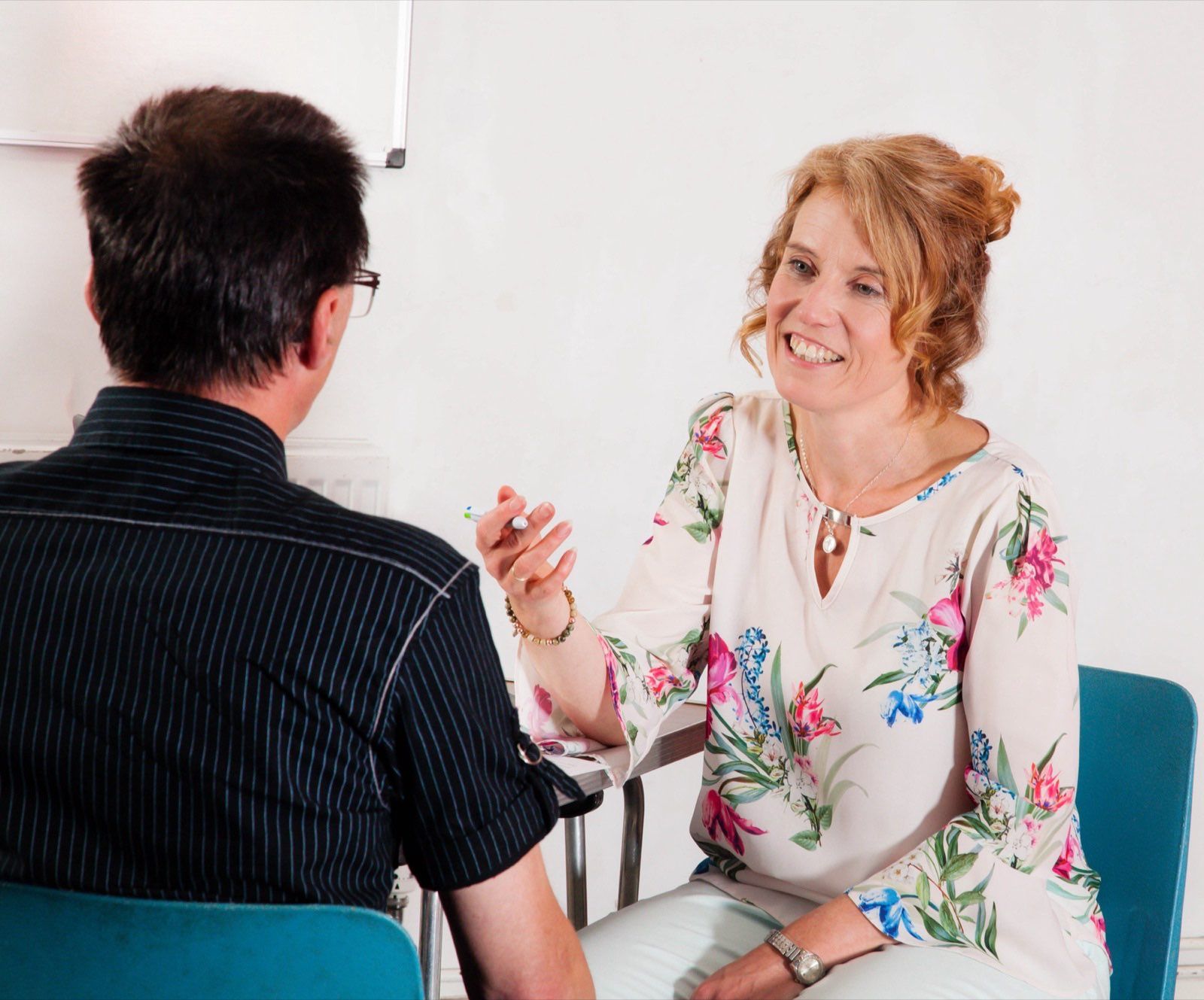
What does a session actually involve? We meet on Zoom for an hour. There’s no script. I listen closely, reflect back what I hear, and ask questions that help you see your situation from a new angle. You’ll notice patterns you couldn’t see alone, strengths you’d forgotten, and choices you didn’t know you had. We finish with small, kind next steps — and you get a recording and written notes so nothing is lost to brain fog.
It is not therapy: we don’t treat mental-health conditions or work primarily on the past, and I’ll signpost you if that’s what you need. It is not advice: I won’t tell you what to do, because the answers that last are the ones you find yourself. And it is not spiritual or religious, though it does suit people who are open to exploring the deeper meaning of what’s happening to them.
Who is it for? People at a turning point: newly diagnosed, years into an illness and quietly shrinking, or simply at a crossroads and feeling stuck. My training is a Certificate and Diploma in Transformational Coaching accredited by the Association for Coaching — and my other qualification is nine years of living with MS.
If you’re curious whether it’s right for you, that’s precisely what the free discovery call is for. No pressure, no obligation — just an honest conversation about where you are.
Walk this path with support
If any of this resonates, a free, no-pressure discovery call is a gentle first step.
Book a free call